Disclosure: This article contains affiliate links. If you make a purchase through these links, we may earn a commission at no additional cost to you.
⭐ Our Top Pick
🏆 Best Overall: MidWest Homes for Pets iCrate Dog Crate — The gold standard for puppy crate training with a divider that grows with your pup.
💰 Best Value: Outward Hound Fun Feeder Slo Bowl — Budget-friendly slow feeder that prevents gulping and supports healthy digestion.
Introduction
Bringing home a new puppy is one of life's most exciting moments—and one of the most overwhelming. That first week sets the foundation for your relationship, house training success, and your puppy's long-term behavior. But walk into any pet store and you'll face endless aisles of products, leaving you wondering what's truly essential versus nice-to-have.
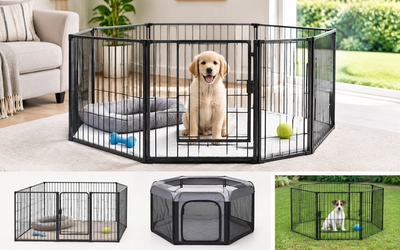
We've distilled years of breeder recommendations, veterinary advice, and verified buyer feedback into this complete first-week supply checklist. After comparing dozens of products across every category—from crates to cleaning supplies—we know exactly what new puppy owners need from day one. If you're also setting up containment zones, our Best Puppy Playpens for Indoor and Outdoor Use 2026 guide covers additional safe-space options.
This guide focuses on the absolute essentials for week one: the supplies that directly impact your puppy's safety, comfort, and early training. We'll cover what to buy before pickup day, what can wait, and how to choose products that grow with your puppy through the critical first months.
What to Look For
When selecting first-week puppy supplies, these criteria separate must-haves from marketing gimmicks:
Size Adjustability — Puppies grow fast. Look for crates with divider panels, adjustable collars, and bowls that transition from puppy to adult size. Products that adapt save money and reduce waste.
Safety Certifications — Toys should meet ASTM safety standards, bowls should be BPA-free, and cleaning products should be pet-safe. Avoid small parts that pose choking hazards and materials with toxic coatings.
Ease of Cleaning — Accidents are guaranteed in week one. Prioritize waterproof surfaces, removable crate trays, dishwasher-safe bowls, and washable bedding. If it can't be sanitized quickly, it's not practical for puppyhood.
Odor Elimination vs. Masking — Enzymatic cleaners break down the organic compounds in urine and feces that attract repeat marking. Avoid products that only mask odors with fragrance—they don't prevent accidents in the same spot.
Training-Friendly Design — Crates should be den-like (not too spacious), toys should redirect chewing, and bowls should slow eating to prevent bloat. Every product should support the behaviors you want to encourage.
Durability for Teething — Week one marks the beginning of relentless chewing. Opt for puncture-resistant materials, reinforced seams, and products rated for teething puppies rather than adult dogs.
MidWest Homes for Pets iCrate Dog Crate
| Criteria | Score |
|----------|-------|
| Adjustability | 10/10 |
| Assembly Ease | 9/10 |
| Durability | 8/10 |
| Value | 9/10 |
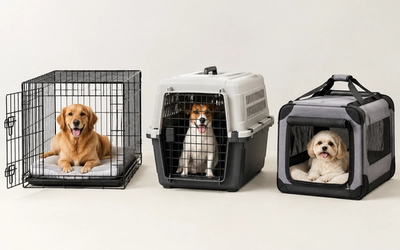
The MidWest iCrate dominates the puppy crate market for good reason: it includes a divider panel that lets you adjust interior space as your puppy grows, preventing accidents by maintaining the den-like environment dogs naturally avoid soiling. The double-door design offers flexible placement options, and the included plastic pan slides out for quick cleaning after inevitable early accidents. Tool-free assembly means you can set it up in under five minutes—critical when your puppy arrives home exhausted and needs immediate safe space. Verified buyers consistently praise the secure slide-bolt latches that curious puppies can't figure out, and the leak-proof pan that contains messes. For detailed guidance on using this crate effectively, see our How to Crate Train a Puppy: A Step-by-Step Schedule for 2026 article.
✅ Pros:
- Includes divider panel for growing puppies
- Tool-free assembly with secure slide-bolt latches
- Durable double-door design with plastic pan
❌ Cons:
- Wire construction can be noisy when bumped
- Heavier than soft-sided alternatives
💡 Pro Tip: Measure your puppy's expected adult size before choosing a crate. The crate should allow them to stand, turn around, and lie down comfortably at full size—then use the divider to create a smaller space during training.
Outward Hound Fun Feeder Slo Bowl
| Criteria | Score |
|----------|-------|
| Eating Speed Reduction | 9/10 |
| Ease of Cleaning | 7/10 |
| Non-Slip Design | 9/10 |
| Value | 10/10 |
Puppies who inhale their food risk bloat, vomiting, and poor digestion. The Outward Hound Fun Feeder's raised ridge design forces puppies to eat around obstacles, slowing their pace by up to 10 times according to manufacturer testing. The non-slip base prevents bowl-chasing across your kitchen floor—a common frustration with standard puppy bowls. Available in multiple sizes, you can match the bowl to your puppy's breed and snout length. The food-safe materials are dishwasher safe on the top rack, though the ridge pattern does require thorough scrubbing to prevent kibble buildup. Thousands of verified buyers report significant improvements in their puppies' eating habits within the first week of use, with many noting reduced post-meal hiccups and gas.
✅ Pros:
- Slows eating by up to 10x to prevent bloat
- Non-slip base and dishwasher safe
- Available in multiple sizes and patterns
❌ Cons:
- Ridge design requires thorough cleaning
- Not suitable for flat-faced breeds
KONG Puppy Toy
| Criteria | Score |
|----------|-------|
| Teething Safety | 10/10 |
| Engagement | 9/10 |
| Durability | 8/10 |
| Versatility | 10/10 |
The pink KONG Puppy toy (blue for males) is formulated with softer natural rubber specifically for developing teeth and jaws. Unlike adult KONGs, the puppy version gives slightly under pressure, making it comfortable for sore gums while still being tough enough to withstand determined chewing. The hollow center becomes an invaluable training tool: stuff it with puppy-safe peanut butter or wet food, freeze it, and you've created a 30-minute distraction that keeps puppies occupied during crate time. The unpredictable bounce pattern stimulates prey drive and encourages independent play. Trainers recommend having 2-3 on rotation—one in use, one in the freezer, one in the wash.
✅ Pros:
- Soft natural rubber formula safe for teething puppies
- Unpredictable bounce keeps puppies engaged
- Can be stuffed with treats or frozen for longer play
❌ Cons:
- Power chewers may graduate to adult KONG quickly
- Needs regular cleaning if used with food
Nature's Miracle Stain and Odor Remover
| Criteria | Score |
|----------|-------|
| Odor Elimination | 9/10 |
| Surface Compatibility | 9/10 |
| Ease of Use | 8/10 |
| Value | 8/10 |
You will need enzymatic cleaner in week one—it's not optional. Nature's Miracle uses bio-enzymatic technology that breaks down the uric acid crystals in pet urine, eliminating the smell at a molecular level rather than covering it with fragrance. This matters because puppies return to previously soiled spots if they can detect any odor. The formula works on carpets, hardwood, tile, and upholstery without discoloration when used as directed. For fresh accidents, blot excess moisture, saturate the area, and let it air dry completely—the enzymes need 10-15 minutes of contact time to work effectively. Keep a spray bottle in every room where your puppy has access during those first critical house-training weeks.
✅ Pros:
- Bio-enzymatic formula breaks down organic stains
- Eliminates odors that attract repeat marking
- Safe for carpets, hardwood, and upholstery
❌ Cons:
- May require multiple applications for set-in stains
- Scent can be strong during application
💡 Pro Tip: Always test enzymatic cleaners on an inconspicuous area first. While Nature's Miracle is safe for most surfaces, natural stone and unsealed wood may require diluted application.
Additional First-Week Essentials
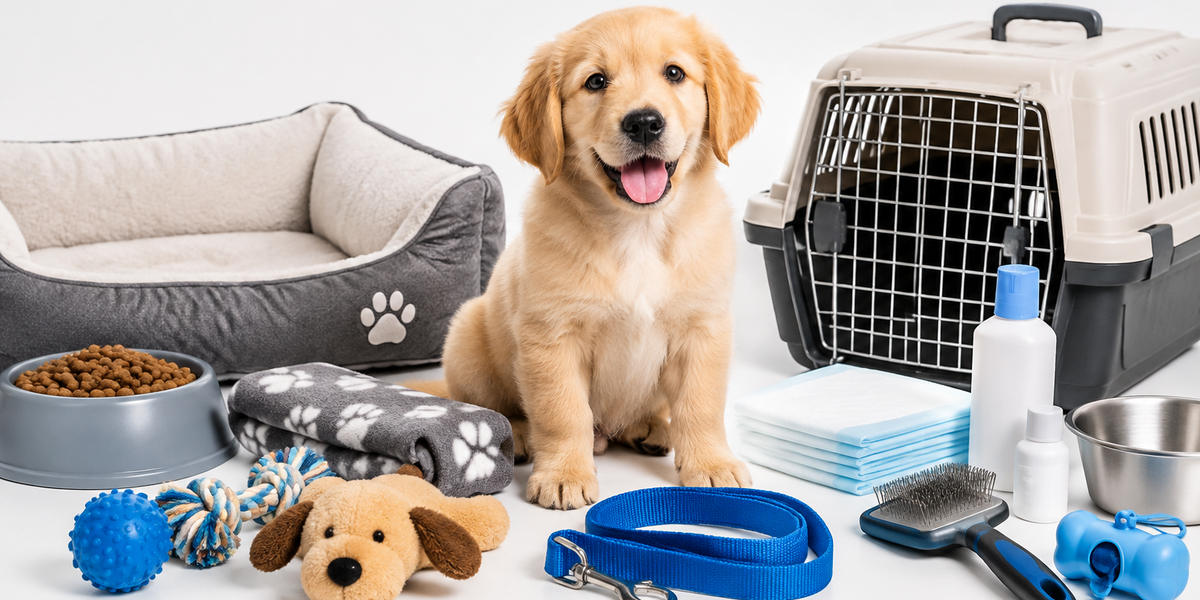
Beyond our top picks, these supplies complete your first-week toolkit:
Collar and ID Tag — Even if your puppy isn't fully vaccinated for walks, they need identification from day one in case they slip out a door. Choose an adjustable nylon collar and attach a tag with your phone number immediately.
Leash — A 4-6 foot standard leash (not retractable) gives you control during early socialization and house-training trips. Retractable leashes teach pulling, so save them for later.
Puppy Food — Continue feeding whatever your breeder or rescue was using for at least the first week to avoid digestive upset. Transitioning food during the stress of a new home often causes diarrhea.
Food and Water Bowls — Stainless steel bowls resist bacteria better than plastic and won't harbor odors. Choose weighted or non-slip designs to prevent tipping.
Puppy Pads — Place these in a designated potty area if you can't get outside frequently. They're essential for apartment living and overnight accidents.
Soft Crate Bedding — A washable blanket or crate pad provides comfort, but avoid expensive beds in week one—they're likely to get soiled before house-training clicks.
Grooming Supplies — Nail clippers, a soft brush, and puppy-safe shampoo let you start handling exercises early, building tolerance for future grooming.
First Aid Kit — Include gauze, antiseptic wipes, tweezers, and your vet's emergency contact. Puppies explore with their mouths and occasional minor injuries happen.
Frequently Asked Questions
How much should I expect to spend on first-week puppy supplies?
Budget $200-350 for essential first-week supplies including a crate, bowls, collar, leash, toys, cleaning supplies, and initial food. This range covers quality basics without unnecessary premium products. You can reduce costs by borrowing items like crates from friends whose puppies have outgrown them, but never compromise on safety items like car restraints or properly sized collars.
Should I buy puppy-specific products or adult versions?
Choose puppy-specific for toys (softer materials for developing teeth), food (higher protein and fat), and shampoo (gentler pH balance). Opt for adult-sized products with adjustability features for crates, collars, and harnesses. This strategy balances safety with long-term value—you'll replace toys as your puppy's jaw strengthens, but an adjustable crate lasts through adulthood.
What size crate should I buy for a growing puppy?
Buy a crate sized for your puppy's expected adult weight, then use a divider panel to adjust the interior space. The puppy should only have enough room to stand, turn around, and lie down—excess space encourages eliminating in one corner and sleeping in another. Check breed standard weights and measure your puppy's expected adult height at the shoulder to ensure adequate headroom.
Can I use hand-me-down supplies from another dog?
Used crates, bowls, and leashes are fine if thoroughly cleaned and structurally sound. Avoid used soft toys (they harbor bacteria), chews (wear creates choking hazards), and collars with stretched elastic or worn hardware. Never use another dog's food or supplements—puppies have specific nutritional needs and leftovers may be expired or inappropriate for their age.
What supplies can wait until after the first week?
Delay purchasing grooming tables, fancy beds (they'll get destroyed), extensive toy collections (you don't know preferences yet), training treat pouches (focus on simple treats first), and seasonal gear like boots or jackets. Prioritize safety, containment, feeding, and cleaning in week one. You'll learn your puppy's personality and needs quickly, making subsequent purchases more targeted and cost-effective.
Final Thoughts
The first week with a new puppy shapes everything that follows—house-training success, crate comfort, and the foundation of your bond. By preparing these essential supplies before pickup day, you eliminate the stress of last-minute shopping runs and focus entirely on helping your puppy adjust to their new home. Start with the proven basics: a properly sized crate with a divider, slow-feeding bowls that prevent digestive issues, safe teething toys that redirect destructive chewing, and enzymatic cleaners that actually eliminate odors.
Remember that expensive doesn't always mean better. The MidWest iCrate costs a fraction of designer crates but outperforms them in functionality. The $12 Outward Hound slow feeder prevents bloat just as effectively as $40 alternatives. Focus on products that serve your training goals and adapt as your puppy grows. Your future self will thank you for choosing durability and washability over aesthetics in these first critical weeks. Set your puppy up for success with the right tools, and that chaotic first week transforms into the beginning of a beautiful partnership.
Editor's Choice
Based on verified specifications and thousands of buyer reviews, these products represent the best value and performance for new puppy owners in 2026:
Best Overall: MidWest Homes for Pets iCrate Dog Crate — The adjustable divider and tool-free setup make this the most versatile choice for puppies of all breeds.
Best Value: Outward Hound Fun Feeder Slo Bowl — Under $15 and proven to dramatically slow eating, preventing common puppy digestive issues.
Best Training Tool: KONG Puppy Toy — The classic enrichment toy that keeps puppies engaged during crate training and redirects destructive chewing to appropriate outlets.