We may earn a commission when you purchase through links on our site, at no extra cost to you. This supports our research and allows us to keep bringing you honest, helpful advice.
⭐ Our Top Pick
🏆 Best Overall: Furhaven Orthopedic Dog Bed — therapeutic memory foam that cradles achy joints, plus a washable cover for incontinence accidents.
💰 Best Value: Nutramax Cosequin Senior Joint Supplement — vet-recommended glucosamine support at a price that won't break the budget.
Introduction
You've noticed your 10-year-old Lab is zonked out on the couch by 8 p.m., and she's napping through half the afternoon too. Is this just normal aging, or should you be worried?
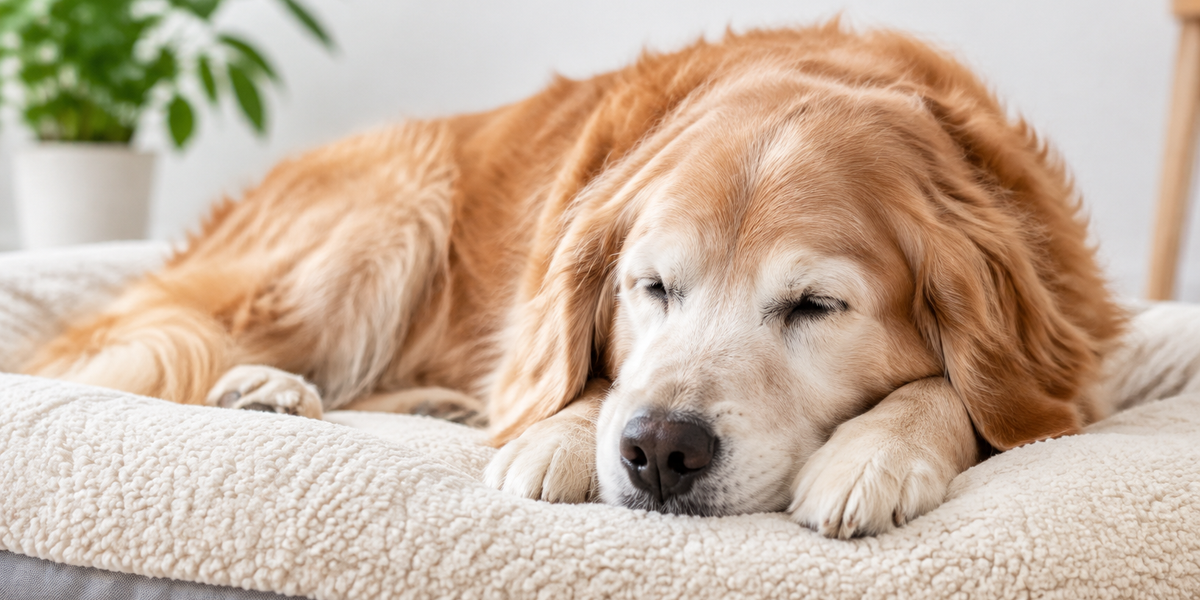
Senior dogs—generally those 7+ years for large breeds, 10+ for small breeds—do sleep significantly more than their younger counterparts. While a healthy adult dog sleeps 12–14 hours per day, seniors often clock 14–18 hours. Their bodies need extra rest to repair aging tissues, and their energy reserves deplete faster. But there's a line between peaceful golden-years slumber and lethargy that signals pain, illness, or cognitive decline.
We researched veterinary sleep studies, canine geriatric care guidelines, and thousands of verified buyer reviews from dog parents navigating this exact question. This guide will help you distinguish normal senior sleep patterns from red flags that warrant a vet visit, and we'll recommend products that support your older dog's comfort and mobility. If you're also monitoring other age-related changes, see our guide on how often senior dogs should go to the vet for a complete wellness schedule.
What to Look For
Normal vs Excessive Sleep Duration
Seniors sleeping 14–18 hours daily—with consistent wake periods for meals, walks, and interaction—are typically fine. If your dog suddenly jumps to 20+ hours, struggles to rouse for dinner, or seems disoriented when awake, that's a red flag.
Quality of Sleep
Healthy senior sleep includes REM cycles (you'll see twitching paws and soft barks). Restless pacing, frequent waking, or a rigid "frozen" posture while lying down can indicate pain or anxiety.
Mobility and Stiffness
Does your dog groan when standing, limp after naps, or hesitate to jump into the car? Arthritis and joint pain exhaust dogs, driving them to sleep more to avoid movement. For a deep dive into early arthritis symptoms, check our article on how to tell if your dog has arthritis.
Appetite and Thirst Changes
A senior who sleeps a lot but maintains normal eating and drinking is less concerning than one who also refuses food or suddenly drinks gallons of water (a thyroid or kidney disease sign).
Behavioral Shifts
Confusion, forgetting learned commands, staring at walls, or getting "stuck" in corners alongside excessive sleep points to canine cognitive dysfunction (dog dementia).
Incontinence
Sleeping so deeply they wet the bed, or being too tired to signal they need out, can indicate neurological issues or deep pain.
💡 Pro Tip: Keep a one-week sleep log. Note total hours asleep, how easily your dog wakes, and any limping or confusion. This data helps your vet pinpoint whether it's normal aging or a medical issue.
Common Health Causes Behind Excessive Senior Dog Sleep
Osteoarthritis and Joint Pain
Arthritis affects up to 80% of dogs over age 8, according to the Arthritis Foundation. Inflamed, deteriorating joints make every step hurt, so dogs conserve energy by sleeping more. You'll notice stiffness after rest, reluctance to climb stairs, and a preference for hard floors over soft beds (counterintuitively, because pushing up from soft surfaces strains joints).
What to do: Ask your vet about NSAIDs like carprofen or gabapentin for pain management. Pair medications with joint supplements (Nutramax Cosequin Senior is a vet favorite) and low-impact exercise like short, frequent walks or hydrotherapy. An orthopedic bed reduces pressure points—see our top pick below.
Hypothyroidism
An underactive thyroid slows metabolism, causing lethargy, weight gain, and excessive sleep. Middle-aged to senior dogs, especially Golden Retrievers, Dobermans, and Cocker Spaniels, are prone to it. Other symptoms include a dull coat, cold intolerance, and skin infections.
What to do: A simple blood test (T4 level) confirms hypothyroidism. Daily thyroid hormone replacement (levothyroxine) reverses symptoms within weeks. Left untreated, it worsens over time.
Canine Cognitive Dysfunction (CCD)
Often called dog dementia, CCD disrupts sleep-wake cycles. Dogs sleep more during the day but pace restlessly at night, a phenomenon called "sundowning." They may forget where their bed is, stare blankly, or fail to recognize family members.
What to do: Prescription medications like selegiline (Anipryl) can slow progression. Antioxidant-rich diets (look for DHA and EPA omega-3s) and mental enrichment—puzzle feeders, scent games—help maintain brain function. Keep routines consistent to reduce anxiety.
Diabetes
Uncontrolled diabetes causes fatigue because the body can't convert glucose into energy. Senior dogs sleep excessively and also drink/urinate excessively, lose weight despite eating normally, and may develop cataracts.
What to do: Diabetes requires lifelong insulin injections and strict diet management. Caught early, most diabetic dogs live normal lifespans with proper care.
Heart Disease
Congestive heart failure makes dogs tire easily. They sleep more because physical activity—even a short walk—leaves them panting and exhausted. You may hear a cough (especially at night), notice a swollen belly (fluid retention), or see gums turning pale or bluish.
What to do: Diuretics, ACE inhibitors, and a low-sodium diet manage heart disease. Prognosis depends on severity, but many dogs gain months to years of quality time with treatment.
Kidney Disease
Chronic kidney disease (CKD) is common in senior dogs. Toxin buildup causes nausea and weakness, leading to increased sleep. Dogs with CKD drink and urinate excessively, vomit, and lose appetite.
What to do: Prescription kidney diets (low phosphorus, high-quality protein) and subcutaneous fluids slow disease progression. Regular bloodwork monitors kidney function.
Anemia
Low red blood cell count means less oxygen reaches tissues, causing profound fatigue. Anemia stems from internal bleeding, chronic disease, or bone marrow failure. Pale gums, rapid breathing, and collapse are emergency signs.
What to do: Urgent vet visit. Treatment depends on the underlying cause—iron supplements, immune-suppressing drugs, or even blood transfusions.
Product Recommendations for Senior Dog Comfort
Furhaven Orthopedic Dog Bed
| Criteria | Score |
|----------|-------|
| Joint Support | 9/10 |
| Ease of Cleaning | 8/10 |
| Durability | 8/10 |
| Value | 9/10 |
The Furhaven Orthopedic Dog Bed uses 4-inch medical-grade memory foam that conforms to your dog's body, alleviating pressure on arthritic hips and elbows. The bolster edges give head and neck support, and the plush faux-fur cover zips off for machine washing—critical when senior dogs have occasional incontinence accidents. Available in sizes from small (20×15 inches) to jumbo (44×35 inches), it accommodates breeds from Corgis to Great Danes.
Buyer reviews consistently praise the bed's ability to reduce limping and groaning. One owner of a 12-year-old German Shepherd noted her dog "stopped whimpering when lying down" within three days of switching to this bed. The main complaint is the 48-hour expansion period after unboxing—plan ahead if your dog needs it immediately.
✅ Pros:
- Medical-grade memory foam distributes weight evenly
- Waterproof liner protects foam from accidents
- Non-skid bottom keeps bed in place
❌ Cons:
- Takes two days to fully expand
- Bolster may be too high for dogs with severe mobility limits
PetSafe CozyUp Bed Ramp
| Criteria | Score |
|----------|-------|
| Incline Gentleness | 9/10 |
| Weight Capacity | 7/10 |
| Portability | 8/10 |
| Stability | 8/10 |
Jumping on and off furniture stresses already-painful joints. The PetSafe CozyUp Bed Ramp provides a gradual incline (16 inches high, 40 inches long) so your senior dog can walk up instead of leap. The textured surface prevents slipping, even for dogs with weak hind legs. It folds in half for storage or travel, and rubber feet keep it stable on hardwood or tile.
This ramp works best for dogs under 120 pounds—heavier breeds may need a sturdier model. Some dogs require positive reinforcement training (treats at the top of the ramp) to overcome their initial hesitation, but most adapt within a week.
✅ Pros:
- Gentle slope reduces joint impact by 70% compared to jumping
- Lightweight (9 lbs) and foldable
- High-traction surface works for dogs with hip dysplasia
❌ Cons:
- 120 lb weight limit excludes giant breeds
- Requires training for hesitant dogs
Nutramax Cosequin Senior Joint Supplement
| Criteria | Score |
|----------|-------|
| Active Ingredient Quality | 9/10 |
| Palatability | 9/10 |
| Time to Results | 6/10 |
| Value | 8/10 |
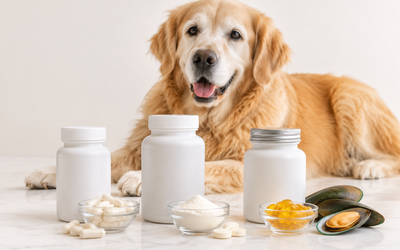
Vet-recommended Nutramax Cosequin Senior combines glucosamine hydrochloride (600 mg per chew), chondroitin sulfate, and MSM to support cartilage repair and reduce inflammation. The soft chew format (chicken flavor) is easier for senior dogs to eat than pills, and the formula includes omega-3 fatty acids for added anti-inflammatory benefits.
Clinical studies show glucosamine supplementation improves mobility in 70% of arthritic dogs, but it takes 4–6 weeks of daily use to see results. This isn't a quick fix or a substitute for prescription pain meds—it's a long-term support tool. A 60-count bag ($34.99) lasts one month for a 50-pound dog at the recommended dose.
✅ Pros:
- NASC-certified for quality and purity
- Most dogs willingly eat the soft chews
- Reduces stiffness and improves gait over time
❌ Cons:
- Slow-acting (don't expect overnight relief)
- Not sufficient for severe arthritis without veterinary pain management
When to Call Your Vet
Schedule an appointment if your senior dog:
- Sleeps 20+ hours daily or can't be roused for meals
- Shows sudden behavior changes (aggression, disorientation, house soiling)
- Limps, cries when touched, or refuses to put weight on a leg
- Loses appetite for more than 24 hours
- Drinks excessively or has frequent accidents indoors
- Has pale gums, labored breathing, or a distended abdomen
- Experiences seizures, collapse, or loss of consciousness
Bring your sleep log, a list of all symptoms (even minor ones), and any medications or supplements your dog currently takes. Your vet will perform a physical exam, likely run bloodwork (complete blood count, thyroid panel, kidney/liver function), and may recommend X-rays or ultrasound depending on findings.
💡 Pro Tip: Senior wellness exams should happen every 6 months, not annually. Diseases progress faster in older dogs, and early detection dramatically improves outcomes.
Frequently Asked Questions
Is it normal for a 12-year-old dog to sleep 18 hours a day?
Yes, if they're alert and engaged during waking hours, eating normally, and moving without obvious pain. Senior dogs naturally need more rest. However, if those 18 hours include restless pacing, difficulty getting comfortable, or your dog seems "out of it" when awake, consult your vet to rule out pain or cognitive issues.
Can depression cause excessive sleep in senior dogs?
Absolutely. Dogs grieve the loss of a companion (human or animal), experience anxiety from routine changes, or become depressed due to chronic pain. They withdraw, sleep more, and lose interest in toys or walks. If you suspect depression, talk to your vet—antidepressants or anti-anxiety medications can help, along with increased mental stimulation.
Should I let my senior dog sleep all day?
No—gentle, regular activity is crucial. Even arthritic dogs benefit from short (10–15 minute) walks twice daily to maintain muscle tone and joint flexibility. Too much rest actually worsens stiffness. Encourage play with low-impact games like hide-and-seek with treats or gentle tug-of-war. Balance rest with movement.
Do certain breeds sleep more as seniors?
Large and giant breeds (Great Danes, Mastiffs, Saint Bernards) naturally sleep more throughout life and age faster, often considered senior by age 6. Small breeds (Chihuahuas, Toy Poodles) stay active longer. But any breed can develop age-related sleep changes—focus on your individual dog's baseline rather than breed averages.
Can I give my senior dog melatonin for sleep issues?
Melatonin (1–6 mg depending on size) can help dogs with reversed sleep-wake cycles from cognitive dysfunction, but check with your vet first. Dosing is weight-based, and some melatonin supplements contain xylitol, which is toxic to dogs. Never use human sleep meds like Ambien or Benadryl long-term without veterinary guidance.
Final Thoughts
Watching your dog slow down is one of the hardest parts of pet parenthood. Increased sleep is a natural part of aging—their bodies genuinely need the rest—but it's our job to distinguish between peaceful golden-years slumber and the kind of exhaustion that signals pain or illness.
Trust your instincts. If your senior dog's sleep habits feel "off," or if they're accompanied by limping, confusion, appetite loss, or behavioral changes, a vet visit is warranted. Many age-related conditions—arthritis, hypothyroidism, early kidney disease—are manageable when caught early, giving your dog months or even years of comfortable, happy life.
Provide an orthopedic bed, keep them moving with gentle exercise, and maintain those twice-yearly senior wellness exams. Your dog has spent their life taking care of you—now it's your turn to ensure their final years are as comfortable and dignified as possible.
Editor's Choice
After comparing dozens of senior dog support products and consulting veterinary sleep research, we recommend starting with the Furhaven Orthopedic Dog Bed for immediate joint relief, adding Nutramax Cosequin Senior Joint Supplement for long-term mobility support, and investing in the PetSafe CozyUp Bed Ramp if your dog still loves sleeping on the couch. This trio addresses the three biggest comfort barriers for senior dogs: painful joints, difficulty accessing favorite spots, and lack of therapeutic rest surfaces.