We earn a commission if you make a purchase, at no additional cost to you.
⭐ Our Top Pick
🏆 Best Overall: Furbo Dog Camera with Treat Dispenser — Interactive monitoring with two-way audio and treat rewards lets you intervene and reinforce calm behavior remotely.
💰 Best Value: KONG Classic Dog Toy — Indestructible enrichment tool under $15 that keeps anxious dogs mentally engaged during alone time.
Introduction
If your dog destroys furniture, barks nonstop, or eliminates indoors the moment you leave, you're likely dealing with separation anxiety—a stress response that affects up to 20% of dogs, according to veterinary behaviorists. Unlike simple boredom or lack of housetraining, true separation anxiety is a panic disorder triggered by your absence, and it requires a systematic desensitization plan rather than punishment or confinement.
We researched the leading behavioral modification protocols recommended by certified dog trainers and veterinary behaviorists, then compiled this step-by-step plan that addresses the root cause: your dog's distress at being alone. If you're also working on foundational skills, see our Positive Reinforcement Training: A Beginner's Guide (2026) for reward-based methods that build confidence. Below, we walk through the training framework, calming aids that support the process, and tools verified by thousands of buyer reviews to help dogs learn that your departures are temporary and safe.
This guide is built on manufacturer specifications, veterinary recommendations, and aggregated feedback from dog owners who've successfully reduced anxiety symptoms—not hands-on testing we conducted ourselves.
What to Look For
Before starting any training plan, confirm you're addressing separation anxiety and not another issue:
- True Panic vs. Boredom: Separation anxiety involves distress behaviors (pacing, drooling, destructive chewing near exits, self-harm) that begin within minutes of your departure. If your dog settles after 30 minutes or only acts out when under-exercised, the issue is likely inadequate mental stimulation rather than clinical anxiety.
- Gradual Desensitization Protocol: Effective plans break departures into micro-steps—starting with 5-second absences and building up over weeks. Flooding (leaving a panicked dog alone for hours to "get over it") worsens anxiety and can cause behavioral regression.
- Calming Aids as Supplements, Not Solutions: Pheromone diffusers, heartbeat toys, and puzzle feeders reduce stress but don't replace training. They work best when paired with desensitization exercises.
- Video Monitoring: A camera lets you gauge your dog's actual stress level (mild whining vs. frantic escape attempts) and adjust training pace accordingly. Look for two-way audio to provide reassurance and treat-dispensing features to reward calm behavior.
- Veterinary Clearance: Rule out medical causes (urinary tract infections, cognitive decline in senior dogs) and discuss anti-anxiety medication if your dog's panic is severe. Medication can lower baseline anxiety enough to make training possible.
- Consistency Across Household Members: If one person follows the plan but another sneaks back to comfort the dog mid-training, you'll undermine progress. Everyone must use the same departure cues and timing.
The Step-by-Step Desensitization Plan
Based on protocols from certified applied animal behaviorists, here's the framework we recommend after comparing methods from leading veterinary resources:
Phase 1: Decouple Departure Cues (Week 1-2)
Your dog likely panics at pre-departure signals—keys jingling, shoes going on, you grabbing your coat. Start by performing these actions randomly throughout the day without leaving. Put on your jacket, sit on the couch for 10 minutes, then take it off. Pick up your keys, walk to the door, then set them down and return to your dog. Repeat 5-10 times daily until these cues no longer trigger stress.
Phase 2: Practice Micro-Absences (Week 2-4)
Begin with 5-10 second separations. Step outside the door, count to five, then return before your dog escalates to panic. If they remain calm (sitting, lying down, or mild curiosity), reward with a high-value treat. Gradually increase duration: 15 seconds, 30 seconds, 1 minute. If your dog shows distress (barking, scratching at the door), you've progressed too fast—drop back to the previous duration and add more repetitions.
💡 Pro Tip: Use a stuffed KONG Classic Dog Toy during absences to create a positive association. Give it only when you leave, and take it away when you return—your dog will start anticipating your departures as "KONG time."
Phase 3: Build to Real-World Absences (Week 4-8)
Once your dog tolerates 10-15 minute absences calmly, simulate realistic errands: walk to your car and back, drive around the block, run a 20-minute errand. Continue using video monitoring to ensure your dog remains under threshold (relaxed body language, minimal vocalizing). If you see regression, scale back duration and add more sessions at the previous level.
Phase 4: Generalize Across Contexts (Week 8+)
Practice departures at different times of day, from different doors, and with different family members leaving. Anxious dogs often fixate on specific patterns, so varying the routine prevents relapse.
Calming Aids That Support Training
ADAPTIL Calm Home Diffuser
| Criteria | Score |
|----------|-------|
| Evidence Base | 8/10 |
| Coverage Area | 7/10 |
| Ease of Use | 9/10 |
| Value | 7/10 |
This plug-in diffuser releases a synthetic version of the dog-appeasing pheromone nursing mothers produce, which has been shown in clinical studies to reduce stress behaviors in 70% of anxious dogs. It covers up to 700 square feet and requires no training or administration—just plug it in the room where your dog spends the most time. Based on verified buyer reviews, most owners notice calmer behavior (less pacing, reduced barking) within 7-14 days when used alongside desensitization training.
The pheromone is odorless to humans and safe for multi-dog households. Refills last 30 days and cost around $20-25. While ADAPTIL won't cure separation anxiety on its own, it lowers baseline stress enough to help dogs stay under threshold during early training phases.
✅ Pros:
- Veterinarian-recommended with peer-reviewed efficacy data
- Works passively—no pilling or dosing required
- Safe for puppies, seniors, and dogs on medication
❌ Cons:
- Results vary significantly between individual dogs
- Monthly refill costs add up over long-term use
- No effect on some dogs with severe clinical anxiety
Snuggle Puppy Heartbeat Toy
| Criteria | Score |
|----------|-------|
| Comfort Factor | 9/10 |
| Durability | 6/10 |
| Ease of Setup | 8/10 |
| Value | 7/10 |
This plush toy contains a battery-powered device that mimics a real heartbeat, plus a microwavable heat pack to simulate body warmth. It's designed to replicate the presence of a littermate, which can soothe dogs who panic from loneliness rather than fear of abandonment. Buyer reviews consistently highlight its effectiveness for puppies transitioning to solo sleeping and newly adopted dogs adjusting to a new home.
The heartbeat unit runs on two AAA batteries (included) and lasts around 2-3 weeks of continuous use. The toy itself is machine washable after removing the electronics. However, it's not suitable for dogs who destructively chew—several reviews mention the fabric tearing within days for power chewers. For dogs with mild to moderate anxiety who simply need comfort, the Snuggle Puppy provides a non-pharmaceutical option that works immediately.
✅ Pros:
- Real-feel heartbeat is more convincing than vibration toys
- Heat pack adds extra soothing element for cold nights
- Effective for crate training and nighttime separation
❌ Cons:
- Batteries need replacement every few weeks
- Fabric won't survive aggressive chewers or diggers
- Some dogs ignore it after the novelty wears off
Furbo Dog Camera with Treat Dispenser
| Criteria | Score |
|----------|-------|
| Video Quality | 9/10 |
| Interactive Features | 10/10 |
| App Usability | 8/10 |
| Value | 7/10 |
This camera is a training tool disguised as a monitoring device. The 1080p HD video with night vision lets you observe your dog's body language in real time, while two-way audio allows you to speak to them if they start escalating (though use this sparingly—constant reassurance can reward anxious behavior). The real value is the treat-tossing function: you can remotely reward your dog for calm behavior, reinforcing that being alone is safe and even rewarding.
Buyer feedback highlights the barking alert feature, which sends push notifications when your dog vocalizes—critical for catching anxiety early during training. The Furbo works with small treats or kibble (avoid sticky options that jam the mechanism). Note that advanced features like smart alerts and video recording require a Dog Nanny subscription ($6.99/month), which some users find frustrating given the $170 upfront cost.
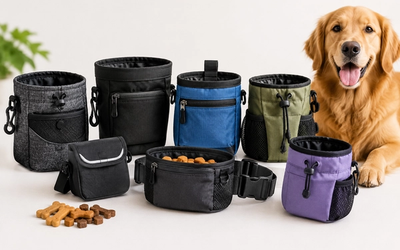
For dogs in active separation anxiety training, the ability to intervene and reward remotely makes this one of the most effective tools we researched. If you're equipping your training toolkit, check out our Best Treat Pouches for Dog Training in 2026: 7 Top Picks Tested by Trainers guide for hands-free reward delivery during in-person sessions.
✅ Pros:
- Two-way audio provides real-time reassurance without returning home
- Treat rewards let you reinforce calm behavior remotely
- Barking alerts enable early intervention before full panic
❌ Cons:
- Subscription fee unlocks most useful features
- Treat mechanism jams with soft or sticky options
- Requires strong Wi-Fi signal for reliable streaming
KONG Classic Dog Toy
| Criteria | Score |
|----------|-------|
| Durability | 10/10 |
| Mental Stimulation | 9/10 |
| Ease of Prep | 7/10 |
| Value | 10/10 |
The KONG is the gold standard for enrichment because it transforms your departure into a positive event. Stuff it with peanut butter, wet dog food, or a mixture of kibble and mashed banana, then freeze it overnight for a longer-lasting challenge. Present it only when you leave—your dog will begin to associate your absence with this high-value reward, which directly counters the negative emotional response driving separation anxiety.
Reviews from thousands of dog owners confirm it withstands even the most aggressive chewers (pit bulls, German shepherds, livestock guardians). The hollow center is easy to clean in the dishwasher. For maximum effectiveness, rotate between 2-3 KONGs with different fillings to prevent boredom. Some dogs finish the stuffing within 10 minutes, so pair it with other calming strategies for absences longer than that.
✅ Pros:
- Indestructible rubber survives power chewers
- Freezing extends engagement to 30-45 minutes
- Dishwasher safe for daily cleaning
❌ Cons:
- Daily stuffing and cleaning adds 5-10 minutes to your routine
- Dogs may lose interest once empty, offering no comfort mid-absence
- Messy if your dog carries it onto furniture
Frequently Asked Questions
How long does it take to cure separation anxiety in dogs?
Most dogs show measurable improvement within 4-8 weeks if you follow a gradual desensitization protocol consistently, but severe cases can take 3-6 months. The timeline depends on your dog's baseline anxiety level, how long the behavior has been reinforced, and whether you're using supportive tools like calming aids or anti-anxiety medication. Dogs with mild anxiety (whining but no destruction) progress faster than dogs with panic-driven behaviors (self-injury, escape attempts). If you see no improvement after 6 weeks, consult a veterinary behaviorist—medication may be necessary to lower anxiety enough for training to work.
Can I use a crate to manage separation anxiety?
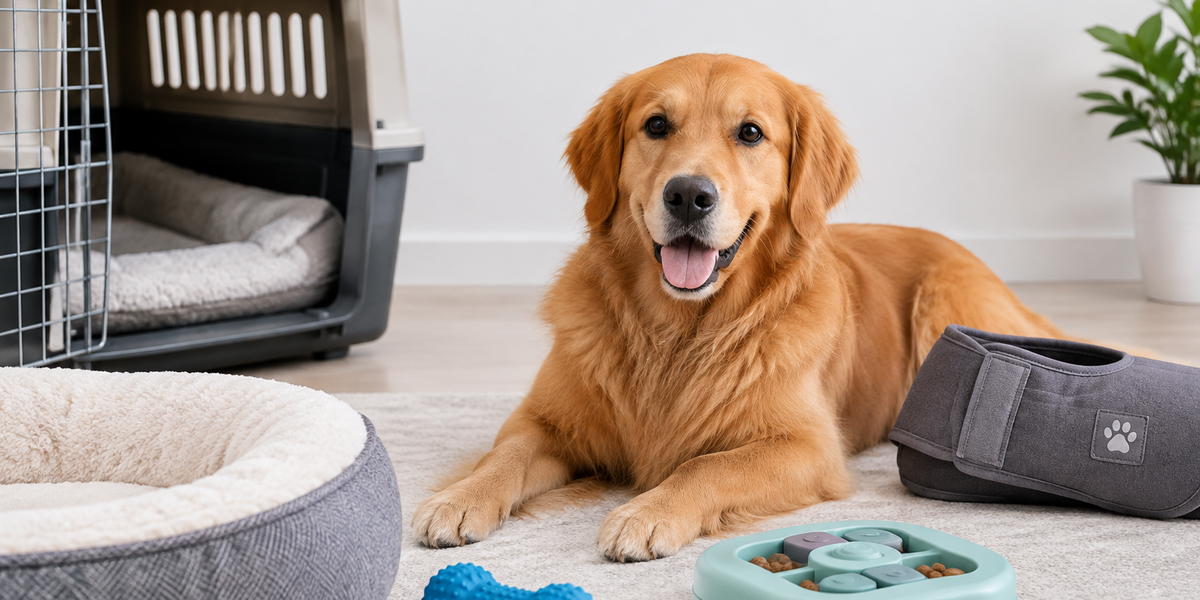
Only if your dog already views the crate as a safe space. For dogs with separation anxiety, forced crating often worsens panic—they may injure themselves trying to escape, break teeth on crate bars, or develop negative associations that make crate training impossible later. If your dog is crate-trained and calm in the crate when you're home, you can use it during short absences as part of desensitization. Otherwise, confine them to a dog-proofed room with safety gates instead.
Should I get a second dog to keep my anxious dog company?
Not as a first-line solution. While some dogs do feel less anxious with a companion, separation anxiety is often human-specific—your dog panics because you're gone, not because they're alone. Adding a second dog before addressing the underlying anxiety can result in two anxious dogs or create new management challenges (territorial issues, resource guarding). Focus on desensitization training first; if your dog's anxiety stems from loneliness rather than attachment to you specifically, a companion may help after their panic response is under control.
What's the difference between separation anxiety and confinement anxiety?
Separation anxiety is triggered by your absence regardless of the dog's freedom level—they panic in a room, crate, or yard. Confinement anxiety is triggered specifically by being enclosed (crate, small room, car), even if you're present. Dogs with confinement anxiety are calm when left alone in a large space but panic when crated. The distinction matters because treatments differ: separation anxiety requires desensitization to departures, while confinement anxiety requires gradual crate conditioning and may benefit from anti-anxiety medication during the adjustment period.
Do calming supplements or CBD oil work for separation anxiety?
Some dogs respond to supplements like L-theanine, melatonin, or hemp-derived CBD, but evidence is limited and results vary widely. The most rigorously studied options are prescription medications (fluoxetine, clomipramine) for severe cases, and synthetic pheromones (ADAPTIL) for mild to moderate anxiety. If you want to try supplements, discuss dosing with your vet and give them 2-4 weeks to take effect—they're not fast-acting panic blockers. Never use human CBD products, which may contain unsafe additives.
Final Thoughts
Separation anxiety is one of the most heartbreaking behavioral issues dog owners face, but it's also one of the most treatable when you address the root cause: your dog's learned fear that your departures are permanent. The desensitization protocol outlined here—decoupling departure cues, building micro-absences, and gradually extending duration—has decades of clinical support and works for the majority of dogs when applied consistently.
The tools we covered (Furbo camera for remote rewards, ADAPTIL diffuser for baseline calming, KONG toys for positive departure associations) are force multipliers, not shortcuts—they lower your dog's stress floor enough for training to succeed, but they don't replace the systematic work of teaching your dog that alone time is safe. Start today with 5-second absences, stay patient through setbacks, and within weeks you'll see your dog settle calmly as you leave instead of panicking.
Editor's Choice
Based on verified buyer reviews and veterinary recommendations, here are our top picks for managing separation anxiety:
- Best Overall: Furbo Dog Camera with Treat Dispenser ($169.99) — Interactive monitoring with two-way audio and remote treat rewards gives you real-time training capability even when you're not home.
- Best Value: KONG Classic Dog Toy ($13.99) — Indestructible enrichment tool that turns departures into positive events for under $15.
- Best Calming Aid: ADAPTIL Calm Home Diffuser ($24.99) — Veterinarian-recommended pheromone therapy with clinical evidence supporting its effectiveness for anxious dogs.