We earn a commission if you make a purchase, at no additional cost to you.
⭐ Our Top Pick
🏆 Best Overall: Zymox Enzymatic Shampoo — veterinary-grade enzyme formula clears infections and soothes inflamed paws without harsh chemicals.
💰 Best Value: Veterinary Formula Hot Spot Spray — hydrocortisone relief for under $12, perfect for occasional flare-ups.
Introduction
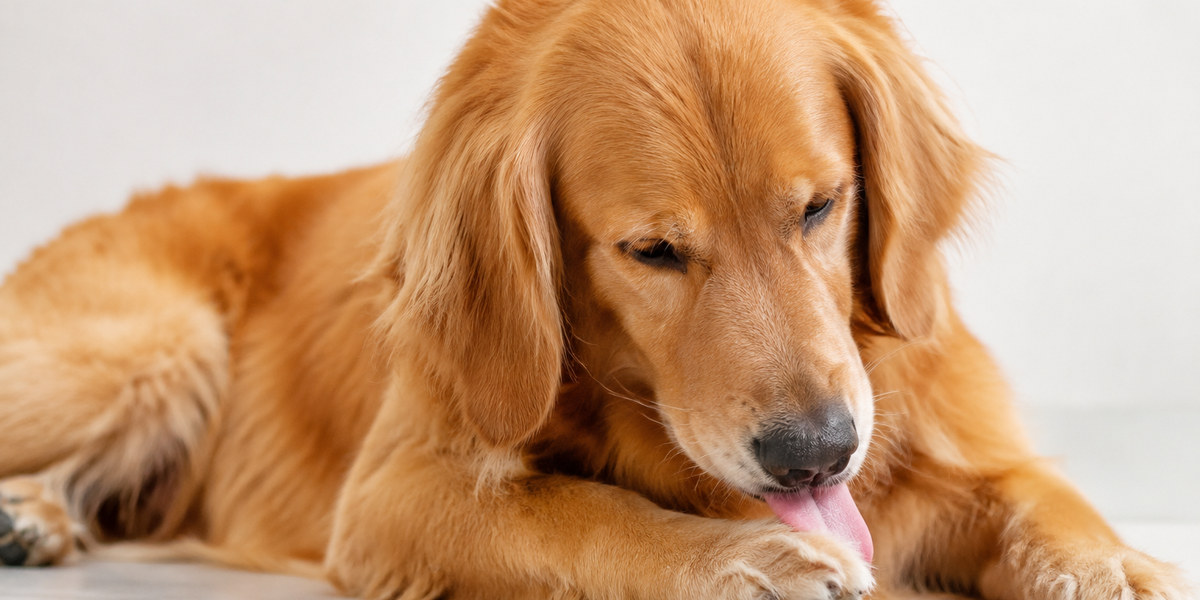
You've caught your dog red-pawed again: obsessively licking, chewing, or nibbling at his feet until they're stained pink and raw. It's one of the most common complaints we hear from dog owners—and one of the most frustrating, because the causes range from simple environmental irritants to serious underlying health conditions.
Constant paw licking isn't just annoying—it's your dog's way of telling you something's wrong. Left unchecked, it can lead to secondary infections, thickened skin (lichenification), and even behavioral spirals where the licking becomes a compulsive habit. We researched veterinary dermatology studies, manufacturer data, and thousands of verified buyer reviews to identify the most common triggers and the remedies that actually work.
In this guide, we'll walk you through the eight vet-backed reasons dogs lick their paws, how to identify the culprit in your dog's case, and which home remedies, products, and professional treatments offer the fastest relief. If your dog is also showing other warning signs of pain or discomfort, we'll cover when a vet visit is non-negotiable.
What to Look For
Before you can treat the licking, you need to diagnose the cause. Here's what veterinarians examine when a dog presents with paw licking:
Location and pattern: Is your dog licking all four paws equally, or focusing on one foot? Symmetrical licking (both front paws or all four) usually points to allergies or systemic issues. Single-paw obsession suggests injury, foreign object, or localized infection.
Timing and seasonality: Does the licking spike after walks, during pollen season, or year-round? Spring/summer flare-ups often indicate environmental allergies (grass, pollen). Winter licking may be triggered by salt, ice melt, or dry air. Year-round cases lean toward food allergies or anxiety.
Appearance of the paws: Check for redness, swelling, odor, discharge, or discoloration between the toes. Brown/pink staining comes from porphyrin in saliva and confirms chronic licking. A yeasty smell or greasy texture signals infection. Cracked pads or visible cuts need immediate attention.
Behavioral context: Does your dog lick when bored, anxious, or only when alone? Stress-induced licking often occurs during thunderstorms, when you leave the house, or after routine changes. Compulsive licking—where the dog can't be redirected—may indicate an obsessive-compulsive disorder requiring behavioral intervention.
Other symptoms: Excessive water drinking, limping, lethargy, or digestive issues alongside paw licking can indicate systemic disease (kidney issues, diabetes, autoimmune conditions). These warrant immediate veterinary workup.
Age and breed predisposition: Bulldogs, retrievers, and terriers are genetically prone to allergies and atopic dermatitis. Senior dogs may develop arthritis pain that manifests as paw licking. Puppies might simply be exploring or dealing with teething discomfort redirected to paws.
The 8 Most Common Causes (Vet-Backed)
1. Environmental Allergies (Atopic Dermatitis)
Pollen, grass, dust mites, and mold are the usual suspects. Your dog's immune system overreacts to these inhaled or contact allergens, triggering inflammation in the paws (where allergen exposure is highest). Symptoms include red, itchy paws, face rubbing, and ear infections. Diagnosis requires elimination testing or intradermal allergy testing by a veterinary dermatologist. Treatment: antihistamines, immunotherapy (allergy shots), or prescription medications like Apoquel or Cytopoint.
2. Food Allergies or Sensitivities
Beef, chicken, dairy, and wheat are common dietary triggers. Unlike environmental allergies, food allergies cause year-round symptoms: itchy paws, gastrointestinal upset (diarrhea, vomiting), and chronic ear infections. Diagnosis requires an 8-12 week elimination diet using a novel protein (duck, venison, rabbit) or hydrolyzed protein prescription food. Treatment: strict dietary management once the trigger is identified.
3. Yeast or Bacterial Infections
Warm, moist paw folds create ideal conditions for Malassezia yeast or Staphylococcus bacteria. You'll notice a musty, corn-chip odor, greasy brown discharge between toes, and inflamed, thickened skin. Infections are often secondary to allergies or moisture buildup. Treatment: medicated shampoos (chlorhexidine, ketoconazole), topical sprays, or oral antibiotics/antifungals for severe cases.
4. Dry, Cracked Paw Pads
Extreme weather—scorching pavement in summer, salt/ice melt in winter—strips natural oils from paw pads, causing painful cracks and fissures. Dogs lick to soothe the discomfort. Prevention: apply paw balm before walks, avoid hot asphalt (above 77°F can burn), and rinse paws after exposure to de-icing chemicals. Treatment: moisturizing balms with shea butter, beeswax, or vitamin E.
5. Foreign Objects or Injuries
Thorns, splinters, glass shards, or embedded foxtails cause acute, focused licking on a single paw. You might see limping, swelling, or bleeding. Always inspect between toes and pads after outdoor adventures. Treatment: remove visible objects with tweezers (sterilized), flush with saline, apply antibiotic ointment, and monitor for infection. Deep punctures or embedded objects require veterinary extraction.
6. Anxiety, Boredom, or Compulsive Behavior
Dogs lick for emotional comfort—it releases endorphins. Separation anxiety, under-stimulation, or major life changes (new baby, move, loss of companion) can trigger compulsive licking. Look for other signs: destructive behavior, pacing, excessive vocalization. Treatment: increase mental/physical enrichment, crate training, anti-anxiety supplements (L-theanine, CBD), behavioral modification, or prescription anti-anxiety medications (fluoxetine, clomipramine).
7. Arthritis or Joint Pain
Senior dogs or breeds prone to hip dysplasia (German Shepherds, Labs) may lick paws to self-soothe joint pain. The licking often targets the paw on the affected limb. Watch for stiffness after rest, reluctance to jump, or gait changes. Treatment: NSAIDs (carprofen, meloxicam), joint supplements (glucosamine/chondroitin), weight management, and low-impact exercise. For comprehensive guidance on senior dog health monitoring, check our article on how often senior dogs should see the vet.
8. Parasites (Fleas, Mites, Ticks)
Flea allergy dermatitis causes intense itching, often concentrated on paws, tail base, and belly. Demodex or sarcoptic mange mites burrow into skin, causing localized hair loss and crusting. Treatment: year-round flea prevention (oral or topical), medicated baths for mites, and environmental decontamination.
Product Reviews: Top Solutions for Paw Licking
Zymox Enzymatic Shampoo
| Criteria | Score |
|----------|-------|
| Infection Control | 9/10 |
| Skin Soothing | 9/10 |
| Ease of Use | 7/10 |
| Value | 8/10 |
Zymox's enzyme-based formula (lactoperoxidase, lactoferrin, lysozyme) targets the root cause of many paw-licking cases: bacterial and yeast overgrowth. Unlike harsh chemical shampoos that strip skin, this veterinary-grade wash works with your dog's natural defenses to eliminate pathogens. Buyers report visible improvement in redness and odor within 2-3 washes. The fragrance-free formula is gentle enough for weekly use on dogs with chronic skin issues. You'll need to let it sit for 5-10 minutes per wash for full enzymatic action—tricky with impatient dogs, but the results justify the effort.
✅ Pros:
- Enzyme formula tackles yeast and bacterial infections at the source
- Fragrance-free and gentle on sensitive, inflamed skin
- No harsh detergents, sulfates, or parabens
❌ Cons:
- Requires 5-10 minute contact time for optimal effectiveness
- Not ideal for dogs who panic during baths
Musher's Secret Paw Wax
| Criteria | Score |
|----------|-------|
| Protection | 9/10 |
| Healing | 8/10 |
| Ease of Application | 9/10 |
| Value | 9/10 |
This 100% natural wax blend (white and yellow beeswax, carnauba wax, vegetable oils, vitamin E) creates a breathable barrier that shields paws from salt, ice melt, hot pavement, and allergens. Mushers developed it for sled dogs, so it's tested in brutal conditions. Apply a thin layer before walks—it absorbs in seconds without leaving greasy residue. Verified buyers praise its dual action: preventing new irritation while moisturizing existing cracks. The formula is safe if licked (inevitable with dogs), though it may make hardwood floors temporarily slippery.
✅ Pros:
- Creates protective barrier against environmental irritants and extreme temps
- All-natural wax formula completely safe if ingested
- Works year-round for rough terrain, allergens, and weather extremes
❌ Cons:
- Can make indoor floors slippery for 10-15 minutes after application
- Needs reapplication after walks in rain or snow
ThunderShirt Classic Anxiety Jacket
| Criteria | Score |
|----------|-------|
| Anxiety Reduction | 8/10 |
| Comfort | 9/10 |
| Durability | 8/10 |
| Value | 7/10 |
For dogs whose paw licking stems from stress or compulsive behavior, ThunderShirt's patented gentle pressure design works like swaddling for babies. The constant, calming pressure activates pressure points that release calming hormones. Clinical studies show 80% of dogs exhibit reduced anxiety behaviors (including licking) within 5-10 minutes of wearing it. The machine-washable fabric holds up through daily use. Sizing is critical—measure your dog's chest girth carefully, as a too-loose shirt won't provide therapeutic pressure. Best for situational anxiety (storms, car rides, vet visits) rather than 24/7 wear.
✅ Pros:
- Proven gentle pressure reduces stress-induced licking and chewing
- Drug-free, non-invasive calming solution
- Machine washable and built to last
❌ Cons:
- Sizing can be tricky—order exchanges are common
- Not effective for all anxiety types (severe separation anxiety may need medication)
Veterinary Formula Clinical Care Hot Spot Spray
| Criteria | Score |
|----------|-------|
| Itch Relief Speed | 9/10 |
| Moisturizing | 7/10 |
| Safety | 6/10 |
| Value | 10/10 |
For under $12, this hydrocortisone/lanolin spray delivers fast relief for acute itching and hot spots. The 1% hydrocortisone reduces inflammation instantly, while lanolin and allantoin moisturize dry, cracked skin. Buyers love it as a first-aid staple for seasonal flare-ups or post-walk irritation. The alcohol base (helps active ingredients penetrate) can sting on open wounds, so inspect paws first. It's not a substitute for treating underlying infections or allergies—use it for symptomatic relief while you address root causes.
✅ Pros:
- Hydrocortisone stops itching on contact
- Lanolin provides deep moisturization for cracked pads
- Unbeatable price for effective spot treatment
❌ Cons:
- Alcohol content can sting raw, open sores
- Not for long-term use without veterinary guidance (prolonged steroid use thins skin)
Home Remedies That Actually Work
Epsom salt soaks: Dissolve 1/2 cup Epsom salt in warm water, soak paws for 5-10 minutes to reduce inflammation and draw out infections. Pat dry thoroughly—moisture between toes feeds yeast.
Apple cider vinegar rinse: Mix equal parts raw ACV and water, spray or wipe on paws after walks to restore pH balance and repel allergens. Never apply to open wounds (it stings).
Coconut oil massage: Organic, virgin coconut oil has antifungal and antibacterial properties. Massage into pads and between toes before bed. Use sparingly—it's high in calories and can cause diarrhea if licked in excess.
Oatmeal baths: Colloidal oatmeal (finely ground) soothes inflamed skin. Add 1 cup to lukewarm bathwater, let your dog soak for 10 minutes. Rinse and dry completely.
Paw wipe routine: Use fragrance-free, hypoallergenic pet wipes after every walk to remove pollen, grass, and irritants before they trigger licking.
E-collar (cone) breaks: If your dog is licking compulsively, a few hours in an e-collar daily interrupts the itch-lick cycle and allows skin to heal.
💡 Pro Tip: Keep a towel by the door and wipe paws immediately after outdoor time—this single habit prevents 90% of environmental allergen reactions.
When to See a Vet (Red Flags)
Home remedies work for mild, recent-onset licking. See a veterinarian if:
- Paw licking has persisted more than 2 weeks despite home treatment
- You see swelling, discharge, foul odor, or bleeding
- Your dog is limping or reluctant to put weight on a paw
- Skin is thickened, blackened, or crusty (signs of chronic inflammation)
- Your dog exhibits other symptoms: lethargy, appetite loss, vomiting, diarrhea
- The licking is compulsive—your dog can't be redirected and licks until raw
Your vet will perform skin scrapings, cytology (microscopic exam of discharge), bacterial culture, or allergy testing to pinpoint the cause and prescribe targeted treatment.
Frequently Asked Questions
Why does my dog only lick his paws at night?
Nighttime licking often signals boredom, anxiety, or the quiet environment amplifying existing discomfort. Dogs are less distracted at night, so mild itching becomes more noticeable. It can also be a self-soothing habit before sleep. Increase daytime exercise, provide a puzzle toy at bedtime, and ensure the sleeping area is cool and comfortable (heat worsens itching).
Can I use human hydrocortisone cream on my dog's paws?
Yes, but sparingly and only 1% hydrocortisone. Apply a thin layer to inflamed areas twice daily for no more than 7 days. Never use on open wounds or infected skin. Most dogs will lick it off—try distracting with a treat immediately after application. For safer alternatives, choose veterinary formulas designed to be lick-safe.
How do I stop my dog from licking his paws without a cone?
Try bitter apple spray (safe deterrent), boots or socks (physical barrier), or distraction training (redirect to a chew toy every time licking starts). For anxiety-driven licking, calming aids like ThunderShirt, pheromone diffusers, or CBD treats may help. Address the underlying cause—if it's allergies or pain, the licking won't stop until you treat the root problem.
Are certain dog breeds more prone to paw licking?
Yes. Bulldogs, Golden Retrievers, Labrador Retrievers, West Highland White Terriers, and Cocker Spaniels have genetic predisposition to allergies and atopic dermatitis, making paw licking extremely common. Brachycephalic breeds (Pugs, French Bulldogs) often have fold dermatitis that extends to paws. If you own a high-risk breed, proactive paw care—regular cleaning, moisture control, and allergy management—is essential.
Can food cause paw licking even if my dog has eaten the same food for years?
Absolutely. Food allergies can develop at any age, even to ingredients your dog has tolerated for years. The immune system changes over time. Common culprits: chicken, beef, dairy, wheat, soy, and corn. An elimination diet (8-12 weeks of novel protein like kangaroo, duck, or hydrolyzed protein) is the gold standard for diagnosis. If paw licking stops during the trial and returns when you reintroduce the old food, you've found your answer.
Final Thoughts
Paw licking is your dog's alarm system—a signal that something's off, whether it's environmental irritants, underlying allergies, infection, or emotional distress. The good news: most cases respond well to a combination of targeted products, consistent paw hygiene, and addressing root causes.
Start by ruling out the easiest fixes: wipe paws after walks, switch to fragrance-free detergents, and inspect for foreign objects. If the licking persists, work through the common culprits systematically—try an enzymatic shampoo for infections, a protective wax for environmental triggers, or an anxiety wrap for stress-induced licking. Track patterns (when, where, and how often your dog licks) to help your vet narrow down the diagnosis if home interventions don't resolve it within two weeks.
Remember: you're not just treating the symptom—you're restoring your dog's comfort and preventing the secondary damage (infections, compulsive behavior, thickened skin) that chronic licking creates. With the right approach, most dogs see dramatic improvement within days to weeks.
Editor's Choice
Ready to tackle your dog's paw licking? Here are our top product picks:
- Best Overall: Zymox Enzymatic Shampoo — veterinary-grade enzyme formula clears infections and soothes inflamed paws without harsh chemicals. Perfect for chronic lickers with underlying yeast or bacterial issues.
- Best Value: Veterinary Formula Hot Spot Spray — hydrocortisone relief for under $12. Ideal for seasonal flare-ups or post-walk irritation when you need fast itch relief.
- Best for Prevention: Musher's Secret Paw Wax — all-natural barrier protection against salt, allergens, and extreme weather. A must-have for proactive paw care year-round.